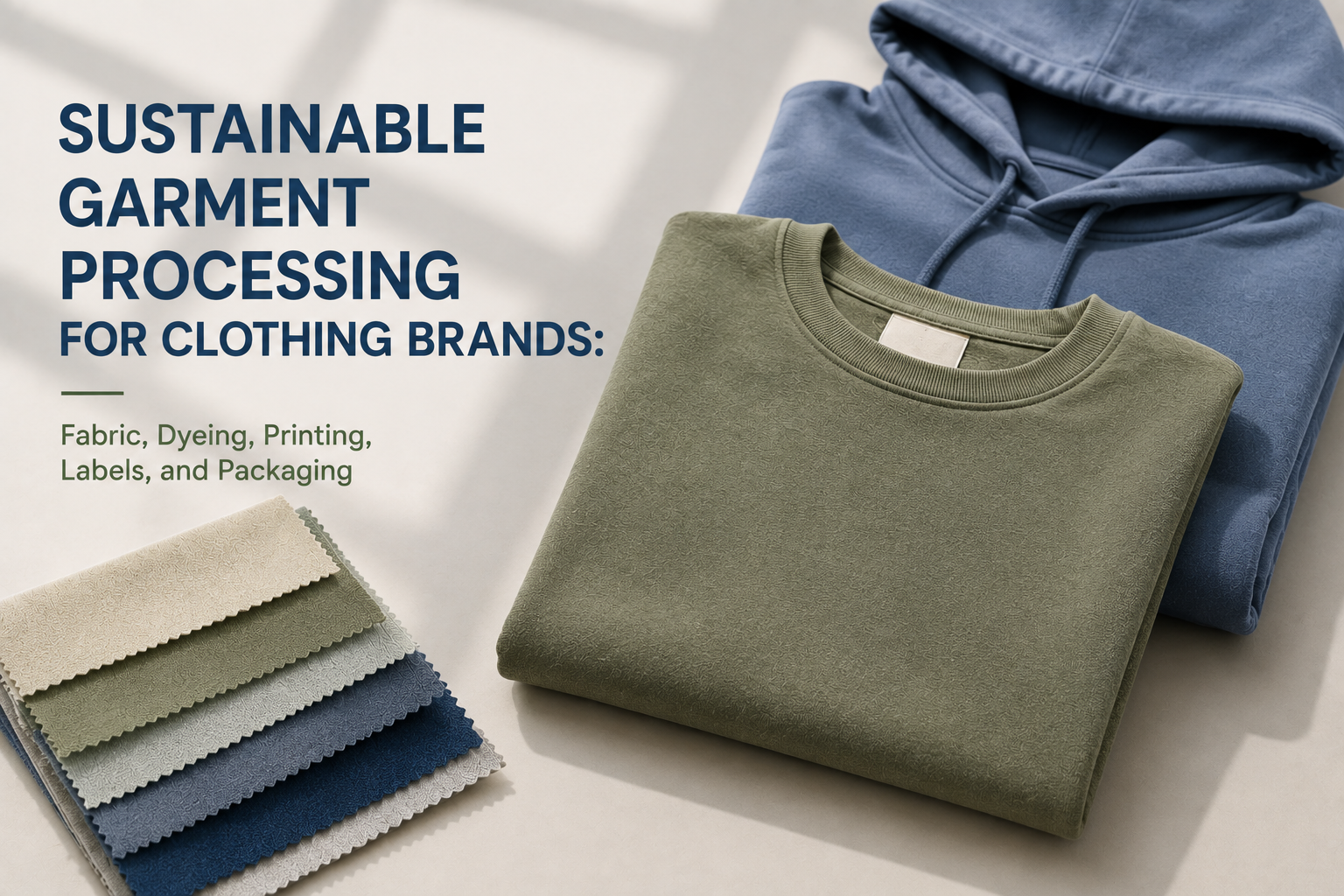
Labels are small details, but they affect branding, comfort, compliance, and product quality. For clothing brands, label choices are not only about appearance. They are part of product development, and they can change how a garment feels, how it looks at retail, and how clearly the product information is communicated.
Clothing brands should choose the right label type based on product type, fabric feel, comfort needs, branding style, and market requirements. Neck labels are useful for brand identity and size information. Hem tags and side seam labels work well for visible or subtle branding. Heat transfer labels are often better for soft products that need low skin irritation. Woven labels usually look more premium and durable, but they must be placed carefully. The best label system is the one that matches the garment, supports compliance, and keeps the product comfortable to wear.
This guide compares neck labels, hem tags, woven labels, printed labels, heat transfer labels, care labels, and packaging labels from a practical product development point of view.
Why Are Clothing Labels Important for Apparel Brands?
Short answer: clothing labels are important because they support brand identity, product information, comfort, compliance, and the overall quality impression of the garment.
A label may look like a small accessory, but in product development it does a lot of work.
Labels can help with:
- brand identity
- size and care information
- product origin
- fiber content
- comfort
- perceived quality
- compliance and retail readiness
For startup brands, labels are often one of the first steps that make a garment feel like a real branded product instead of a blank sample. For more established brands, labels help keep product presentation consistent across categories and seasons.
A label is not just decoration. It is part of the product system. It affects how the garment feels on the body, how the brand is seen by buyers, and how complete the product looks when it reaches retail or distribution.
That is also why placement matters, not only label type. If a brand is still deciding where labels should sit on the garment, this internal guide is useful: where should labels go in modern apparel.
What Is the Difference Between a Neck Label, Hem Tag, and Side Seam Label?
Short answer: neck labels are mainly for brand and size information, hem tags are for visible branding, side seam labels are more subtle, and care labels carry legal and washing information.
These label types do different jobs. They should not be treated as interchangeable.
Neck label
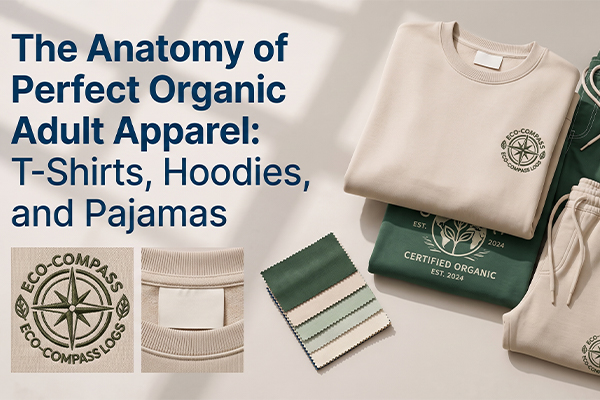
A neck label usually carries the brand name, size, and sometimes origin or care content depending on the brand’s setup. It is often the main identity label for T-shirts, sweatshirts, hoodies, and many tops.
Hem tag
A hem tag is more visible from the outside. It is often used for lifestyle branding, clean T-shirt identity, or a more design-led branded detail.
Side seam label
A side seam label is usually a more subtle logo placement. It works well for casualwear, streetwear, activewear, and some premium basics.
Care label
A care label is mainly for practical and legal information. It often includes fiber content, country of origin, and washing instructions.
Here is a simple comparison:
| Label Type | Main Function | Best Use |
|---|---|---|
| Neck label | brand identity, size, basic product info | T-shirts, hoodies, sweatshirts, tops |
| Hem tag | visible branding | T-shirts, lifestyle basics, streetwear |
| Side seam label | subtle logo placement | casualwear, activewear, soft basics |
| Care label | legal and washing information | most apparel products |
If you are thinking about visible hem branding, this page helps: where should a hem tag be placed on a T-shirt.
When Should Brands Use Heat Transfer Labels Instead of Sewn Labels?
Short answer: heat transfer labels are often better when comfort is very important and the garment sits close to the skin.
Heat transfer labels are commonly used for:
- activewear
- underwear
- base layers
- soft T-shirts
- loungewear
The main benefit is comfort. Since there is no sewn label edge touching the skin, irritation is reduced. This is especially useful for activewear, where friction and sweat can make a rough label feel worse.
Heat transfer labels can also create a clean and modern inside finish. That is one reason they are popular for performance and soft comfort apparel.
But they are not automatically the best choice for every product.
They still need:
- good printing quality
- stable application
- wash testing
- correct placement
- compatibility with the garment fabric
If the print quality is weak or the application is poor, the label may fade, crack, or lose clarity after washing.
For brands comparing tagless and sewn label systems, this page is very relevant: are tagless labels better than sewn-in labels for activewear.
Are Woven Labels Better for Premium Sustainable Clothing?
Short answer: woven labels often look more premium and durable, but they must be chosen and placed carefully.
Many brands prefer woven labels because they feel more established and more “finished.” They are commonly used on:
- hoodies
- sweatshirts
- jackets
- pants
- premium basics
A good woven label can give the garment a stronger branded feel. It can also hold its appearance well over time.
However, woven labels can become uncomfortable if:
- the material is too stiff
- the edge finishing is rough
- the placement is poor
- the label is too large for the garment type
This matters even more in sustainable basics, loungewear, and soft tops, where comfort is part of the product value.
For brands working in this space, it may be worth considering softer woven options or more responsible material choices where available, such as:
- recycled polyester woven labels
- organic cotton label options
- soft folded-edge label construction
The right woven label is not only about looking premium. It must also match the fabric and the product’s comfort level.
How Should Labels Be Chosen for Different Product Types?
Short answer: the best label depends on the product category, the fabric feel, the comfort requirement, and the branding style.
Here is a practical breakdown:
T-shirts
T-shirts often work best with:
- neck labels
- small hem tags
- side seam labels
- heat transfer labels for softer products
For example, a soft sustainable tee may work well with a heat transfer neck label and a subtle hem tag. If you are developing tees, this product direction is useful: hemp cotton T-shirt.
Hoodies
Hoodies usually work well with:
- neck labels
- woven labels
- side seam branding
- care labels
Because hoodies are often thicker and more structured, they can usually support woven labels more easily. This product direction fits well here: hemp cotton hoodie.
Joggers
Joggers often need:
- care labels
- side seam or waistband labels
- occasional heat transfer labels for comfort-led styles
Sweatshirts
Crewneck sweatshirts usually suit:
- neck labels
- woven labels
- hem or side seam branding
Activewear
Activewear often works best with:
- heat transfer labels
- minimal sewn labels
- carefully placed care labels
Loungewear
Loungewear should prioritize comfort, so:
- heat transfer labels
- soft neck labels
- soft care labels
are often stronger choices than stiff woven labels.
Pajama products
Pajama and sleep products should avoid labels that irritate the skin. Softness matters more here than visual branding alone.
Resort shirts
Resort shirts may use:
- neck labels
- side seam labels
- woven labels if the fabric and design direction support them
If you are planning broader product development, this page helps connect categories and manufacturing thinking: custom clothing product categories.
What Label Details Should Brands Confirm Before Sampling?
Short answer: label decisions should be confirmed before the pre-production sample, not after bulk planning starts.
This is one of the most common places where confusion begins. A brand may focus on the garment body first and delay label decisions, but labels affect both the sample and the final product.
Here is a practical checklist:
Label and packaging checklist
- label type
- logo file
- size
- placement
- material
- color
- washing durability
- stitching method
- care information
- country of origin
- packaging label
- hang tag design
A strong sample should show not only the garment shape and fabric, but also how the labels work with the product.
For example:
- does the neck label scratch?
- does the hem tag look too large?
- does the care label sit too close to the skin?
- does the heat transfer label stay clear after wash?
These are all product questions, not just branding questions.
How Can a Manufacturer Help with Custom Labels and Packaging?
Short answer: a good manufacturer can support not only garment production, but also the label and packaging system around the product.
From a B2B custom development point of view, label work often includes:
- label sourcing
- logo file checking
- sample testing
- placement advice
- heat transfer testing
- woven label development
- hang tags
- packaging
- care label content support
- private label apparel production
This matters because many startup brands do not yet have a full label system prepared when sampling begins. A manufacturer can often help turn an early idea into a practical and production-ready solution.
For example, support may include:
- recommending softer label options for sensitive products
- checking whether a woven label is too stiff for a bamboo or modal garment
- suggesting heat transfer placement for activewear
- helping the brand keep hang tags and packaging visually consistent
This kind of support is especially useful for overseas brands building private label apparel collections and trying to balance branding, cost, comfort, and production timing.
Conclusion
The best clothing label choice depends on product type, fabric, comfort needs, branding style, and target market. Neck labels, hem tags, woven labels, heat transfer labels, and care labels all do different jobs. For some products, comfort should lead the decision. For others, visible branding or premium presentation matters more. If you are developing custom apparel and want label or packaging suggestions, feel free to share your product type and logo ideas before sampling starts.