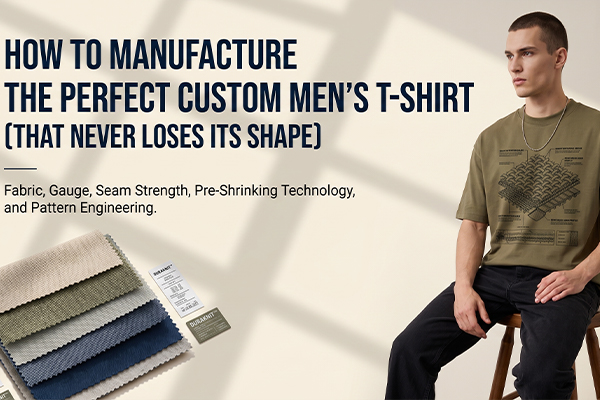
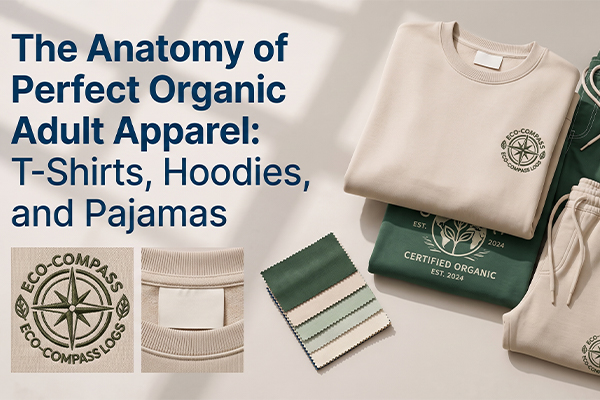
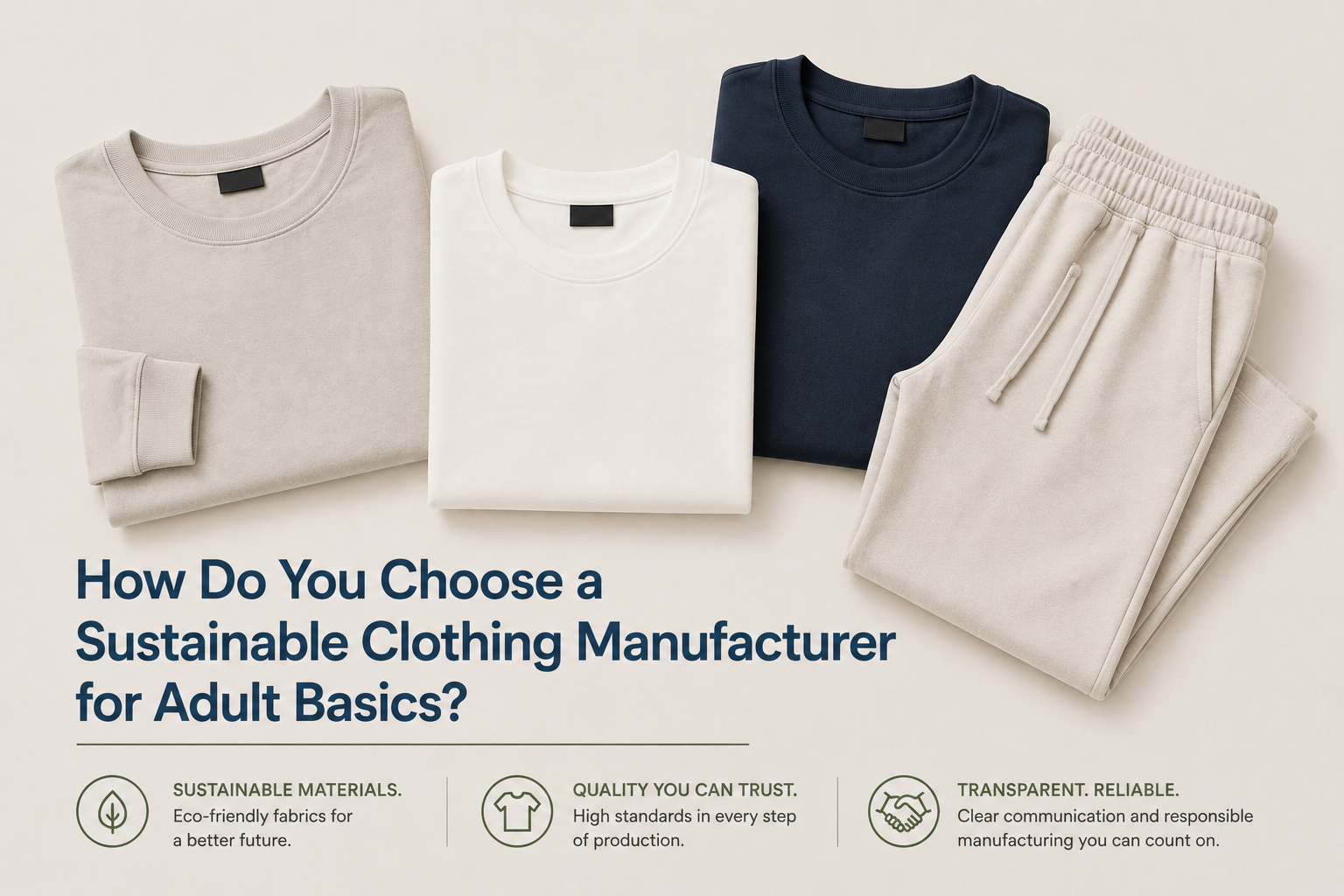
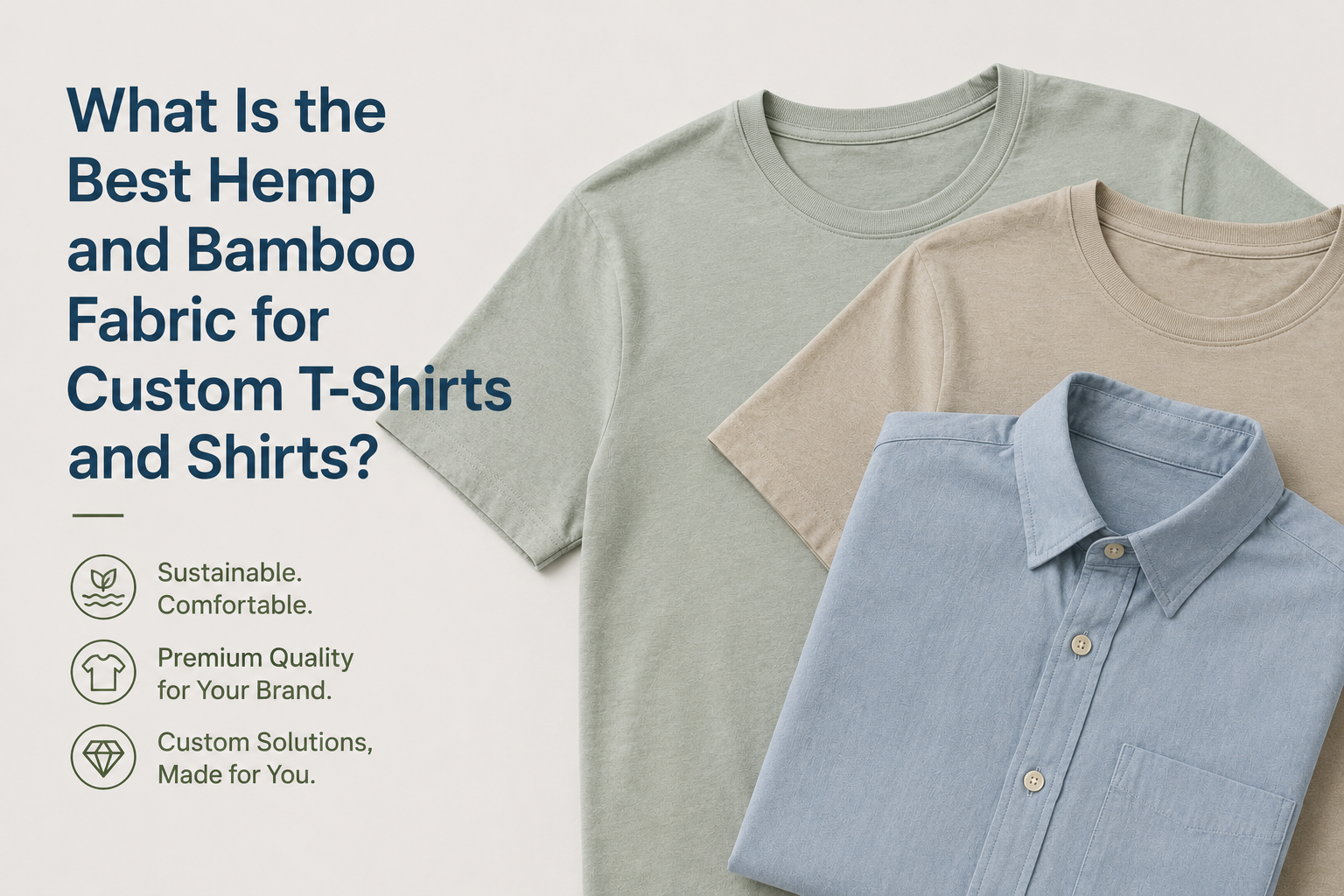
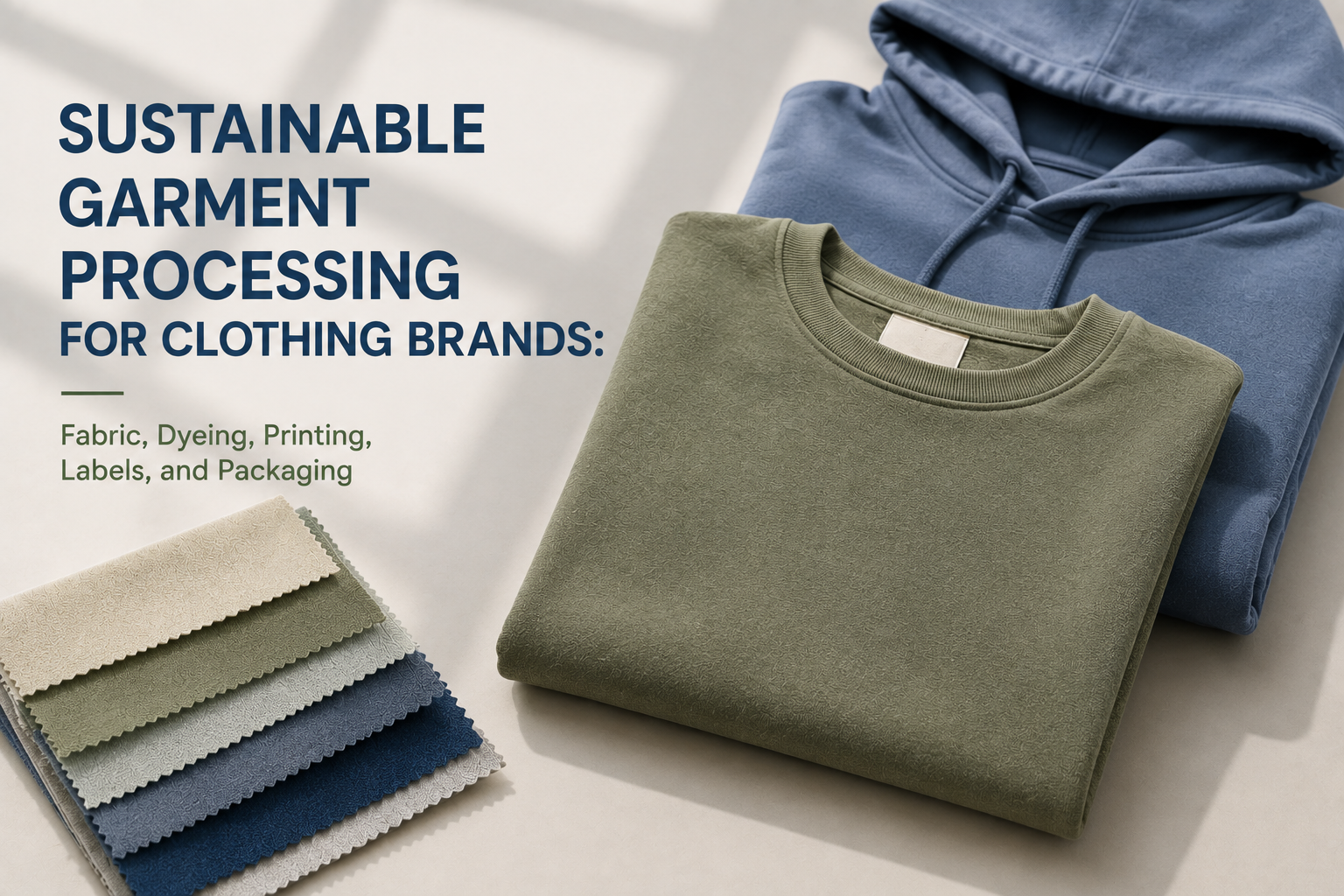
Hemp and bamboo clothing can help sustainable brands create natural texture, soft comfort, and a stronger fabric story, but the first product choice should depend on fabric structure, GSM, hand feel, production stability, and target market. A good start is not about developing too many styles. It is about choosing products that are easier to sample, easier to explain, and easier to reorder.
FBrands should usually develop T-shirts, long sleeve tops, Henley shirts, lounge tops, and casual shirts first when working with hemp and bamboo fabrics. These are practical starter products because they are easier to sample, photograph, test, and reorder. Startups should begin with 1–3 hero products instead of too many SKUs. Hemp can add natural texture and durability. Bamboo-derived fabrics can improve softness and drape. Cotton or spandex can improve stability, stretch, or everyday wearability. Before bulk production, brands should test finished samples instead of judging the fabric only from a swatch or fabric name.
This guide covers hemp and bamboo fabric options, suitable products, fabric blends, GSM, sampling checks, and how to work with a manufacturer before bulk production.
Hemp and Bamboo Clothing Manufacturer Guide: What Should Brands Develop First?
What Is Hemp and Bamboo Clothing?
Short answer: hemp and bamboo clothing includes a wide range of fabrics, from hemp cotton and bamboo cotton blends to hemp bamboo knits, woven shirts, and soft comfort tops.
Hemp and bamboo clothing does not mean only one fabric. In real apparel sourcing, it can include:
- hemp fabric
- bamboo-derived fabric
- hemp bamboo blends
- hemp bamboo cotton blends
- hemp cotton
- bamboo cotton
- bamboo spandex blends
That is why brands should avoid choosing by material name alone.
In sourcing, “bamboo” often means bamboo-derived viscose, bamboo lyocell, or another bamboo-based fiber depending on the supplier. So before using stronger sustainability language, brands should confirm:
- the exact fiber name
- the actual composition
- the supplier’s documents
- the processing route if claims matter
Hemp and bamboo fabrics can also be built in different ways:
- knitted for T-shirts, Henley shirts, lounge tops, and basics
- woven for shirts and resort-style products
Many brands first compare a hemp bamboo shirt before deciding whether cotton should be added for better structure or more commercial stability.
Why Are Sustainable Brands Interested in Hemp and Bamboo Fabrics?
Short answer: sustainable brands are interested in hemp and bamboo fabrics because they can offer natural texture, softness, and a more distinctive material story than standard basics.
From a B2B brand perspective, hemp and bamboo fabrics are attractive because they can help products feel more specific and less generic.
Hemp often gives:
- natural texture
- a drier hand feel
- stronger durability
- a more obvious natural-fiber story
Bamboo-derived fabrics can provide:
- softness
- drape
- smoothness
- comfort-led positioning
Together, these material directions can help brands build:
- premium basics
- loungewear
- casualwear
- relaxed apparel
This is one reason hemp and bamboo products can help brands differentiate from standard cotton-only collections.
But the fabric story should still be supported by real information. A strong product story should be backed by:
- fabric data
- supplier documents
- testing
- honest product language
That broader material decision is also part of best sustainable fabrics for clothing brands, especially when the brand is still comparing fiber directions before sampling starts.
Which Hemp and Bamboo Products Should Brands Develop First?
Short answer: most new brands should start with 1–3 hero products that are easy to sample, easy to fit, and easy to repeat in production.
New brands often make the mistake of starting with too many SKUs. That creates:
- more fabric decisions
- more fit problems
- more photography work
- more inventory risk
- more uncertainty in the first launch
A better approach is to start with 1–3 hero products.
Practical first products include:
- hemp bamboo T-shirts
- long sleeve T-shirts
- Henley shirts
- lounge tops
- resort shirts
- casual shirts
- lightweight hoodies
- joggers
- men’s basics
- women’s soft basics
- relaxed premium tops
These are practical because they are:
- easier for fit development
- easier for size grading
- easier for fabric testing
- suitable for online launches
- good for brand storytelling
- easier for repeat orders
From a manufacturer’s point of view, a smaller first range is easier to develop correctly. It is easier to confirm fabric behavior, neckline stability, hand feel after washing, and production consistency when the product group is focused.
Hemp Bamboo Shirt, T-Shirt, or Loungewear: Which Is Easier to Start With?
Short answer: T-shirts are often the easiest place to start, while Henleys and lounge tops can add stronger product identity if the brand wants a more developed look.
Here is a practical comparison:
| Product type | Development difficulty | Best fabric structure | Best for | What brands should check |
|---|---|---|---|---|
| T-shirt | Lower | jersey | testing first launches, simple basics | neckline stability, shrinkage, hand feel |
| Long sleeve T-shirt | Lower to medium | jersey or interlock | transitional basics, layering | sleeve proportion, GSM, wash result |
| Henley shirt | Medium | jersey, rib, or interlock | more developed premium basics | placket construction, buttons, recovery |
| Lounge top | Medium | soft jersey or smoother knit | comfort apparel, influencer brands | skin feel, seams, labels, drape |
| Resort shirt | Medium | woven | warm-weather collections | fabric softness, drape, wrinkle behavior |
| Hoodie or jogger | Medium to higher | terry, fleece, heavier knit | seasonal basics, sets, layering | GSM, shrinkage, rib quality, cost |
T-shirts are often the easiest product for testing. They usually require fewer structural decisions, and brands can learn a lot from one well-developed T-shirt sample.
Henley shirts look more developed and brand-ready. That can make them a strong choice for brands that want a product with a little more visual identity.
Lounge tops are suitable for comfort apparel and influencer brands because they connect well with softness, fabric feel, and repeat wear.
Resort shirts are good for summer or warm-market collections, especially when woven hemp or bamboo blends are used.
Hoodies and joggers can work too, but the brand needs to pay more attention to GSM, shrinkage, rib quality, and cost.
If you are comparing more commercial shirt blends, hemp bamboo cotton shirts is a useful internal reference. And for a more developed top direction, see hemp bamboo long sleeve Henley T-shirt.
What Fabric Blends Should Brands Compare Before Sampling?
Short answer: brands should compare fabric blends by hand feel, cost, shrinkage, stability, and final product use, not only by which blend sounds more sustainable.
Useful blends to compare include:
- hemp bamboo
- hemp bamboo cotton
- hemp cotton
- bamboo cotton
- hemp cotton spandex
- bamboo cotton spandex
- hemp Tencel blend
- bamboo modal blend if suitable
Here is a practical way to think about them:
Hemp bamboo
This can feel distinctive and soft, but it needs testing. It may be more interesting for brands that want a stronger material story and a softer natural feel.
Hemp bamboo cotton
This often gives a better balance of texture, softness, structure, and production stability. It is often easier to commercialize for premium basics.
Hemp cotton
This can work well for T-shirts and casual basics. It often feels more structured and more natural-dry.
Bamboo cotton
This usually feels softer and may be easier for comfort tops, lounge products, and softer basics.
Hemp cotton spandex
This can help with recovery and small stretch needs, especially for more fitted casual basics.
Bamboo cotton spandex
This can be useful for close-to-skin products, lounge tops, and soft comfort categories that need flexibility.
Hemp Tencel blend
This can improve drape and soften the more textured feel of hemp.
Bamboo modal blend
If suitable, this can create a very soft and smooth product for loungewear or soft tops.
The most commercial fabric is not always the most unusual fabric. Brands should balance:
- hand feel
- cost
- shrinkage
- durability
- claim language
- repeat production stability
If your team is also comparing the role of hemp and cotton more directly, organic cotton vs hemp clothing is a useful internal guide.
What GSM Should Brands Choose for Hemp and Bamboo Clothing?
Short answer: GSM should match product type, season, market, and target hand feel, not just the fiber name.
A practical GSM direction looks like this:
- 160–190 GSM: lightweight T-shirts, warm-market tops, resort shirts
- 200–240 GSM: regular T-shirts, Henley shirts, premium basics
- 250–300 GSM: heavier long sleeve tops, lounge tops, structured casualwear
- 300+ GSM: hoodies, joggers, sweatshirt-style items, depending on fabric structure
Lightweight fabrics are usually suitable for:
- summer T-shirts
- resort shirts
- breathable tops
Midweight fabrics are usually suitable for:
- premium basics
- Henley shirts
- long sleeve tops
Heavier fabrics are usually suitable for:
- fall layering
- hoodies
- joggers
- structured basics
The same fiber blend can feel very different depending on:
- yarn count
- fabric structure
- washing
- finishing
- density
So brands should not treat GSM as only a technical number. It is part of product positioning.
If you want a broader fabric-weight guide across categories, see GSM for long sleeve T-shirts, crewneck sweatshirts, and joggers.
What Should Brands Confirm Before Sampling Hemp and Bamboo Clothing?
Short answer: brands should confirm the full fabric and product setup before sampling, because hemp and bamboo products often need more checking than a simple standard cotton basic.
A useful checklist includes:
- exact fabric composition
- bamboo fiber type
- whether bamboo is viscose, lyocell, or another bamboo-based fiber
- GSM
- knit or woven structure
- shrinkage rate
- color fastness
- hand feel after washing
- pilling
- stretch and recovery
- neckline stability
- print or embroidery compatibility
- label placement
- care label wording
- certification documents if needed
- MOQ
- sample time
- bulk production timeline
- target launch date
Brands should not judge hemp and bamboo fabrics only from a swatch. A finished garment sample after washing is more useful because it shows:
- shrinkage
- fit
- hand feel
- seam quality
- neckline stability
- final product appearance
This becomes even more important when the brand wants stronger sustainability claims. In that case, it helps to confirm:
- fiber source
- processing
- dyeing
- certification
- supplier documents
- product testing
For sourcing and lead time planning, this page is also useful: hemp, bamboo, and organic cotton production lead times.
How Can Custom Labels and Packaging Support Hemp and Bamboo Clothing?
Short answer: clean labels and packaging help hemp and bamboo products look more complete, more premium, and more aligned with the brand story.
Premium sustainable basics need clean branding details.
Brands can use:
- neck labels
- heat transfer labels
- hem tags
- care labels
- hang tags
- custom packaging
For soft tops and loungewear, label comfort is important. A stiff neck label can weaken the product experience even when the fabric itself feels good.
A hem tag can also add visible branding to T-shirts and casual tops without making the garment feel over-designed.
Packaging should match the brand’s sustainability story, but brands should avoid unsupported claims. Good packaging language should stay honest and document-based.
If you are planning label placement, this internal page is useful: where should labels go in modern apparel.
How Can Hempspring Help Brands Develop Hemp and Bamboo Clothing?
Short answer: Hempspring can help brands turn hemp and bamboo fabric ideas into more practical development plans across basics, comfortwear, and premium casual products.
From a B2B manufacturer perspective, this can include support for:
- hemp, bamboo, organic cotton, Tencel, modal, linen, and blended fabric sourcing
- T-shirts, long sleeve tops, Henley shirts, lounge tops, shirts, hoodies, joggers, and premium basics
- fabric weight suggestions
- sample development
- fit adjustment
- print and embroidery
- custom labels
- custom packaging
- OEM/ODM manufacturing
This can be useful for:
- startups and growing brands
- mature apparel brands looking for a second supplier
- overseas brands in the US, Australia, Europe, Middle East, and South America
The goal is not to push one fabric as the only answer. It is to help brands choose the first products and fabric blends more clearly, so development becomes more stable and more realistic.
Conclusion
Hemp and bamboo clothing can help brands build comfort, texture, and sustainable positioning. But the best first product depends on product type, fabric structure, GSM, hand feel, cost, claim requirements, and sample testing. If you are planning custom hemp and bamboo clothing development, feel free to share your reference images, target fabric feel, GSM preference, product type, and launch plan. A clearer starting point usually leads to a better sample and a more stable bulk result.