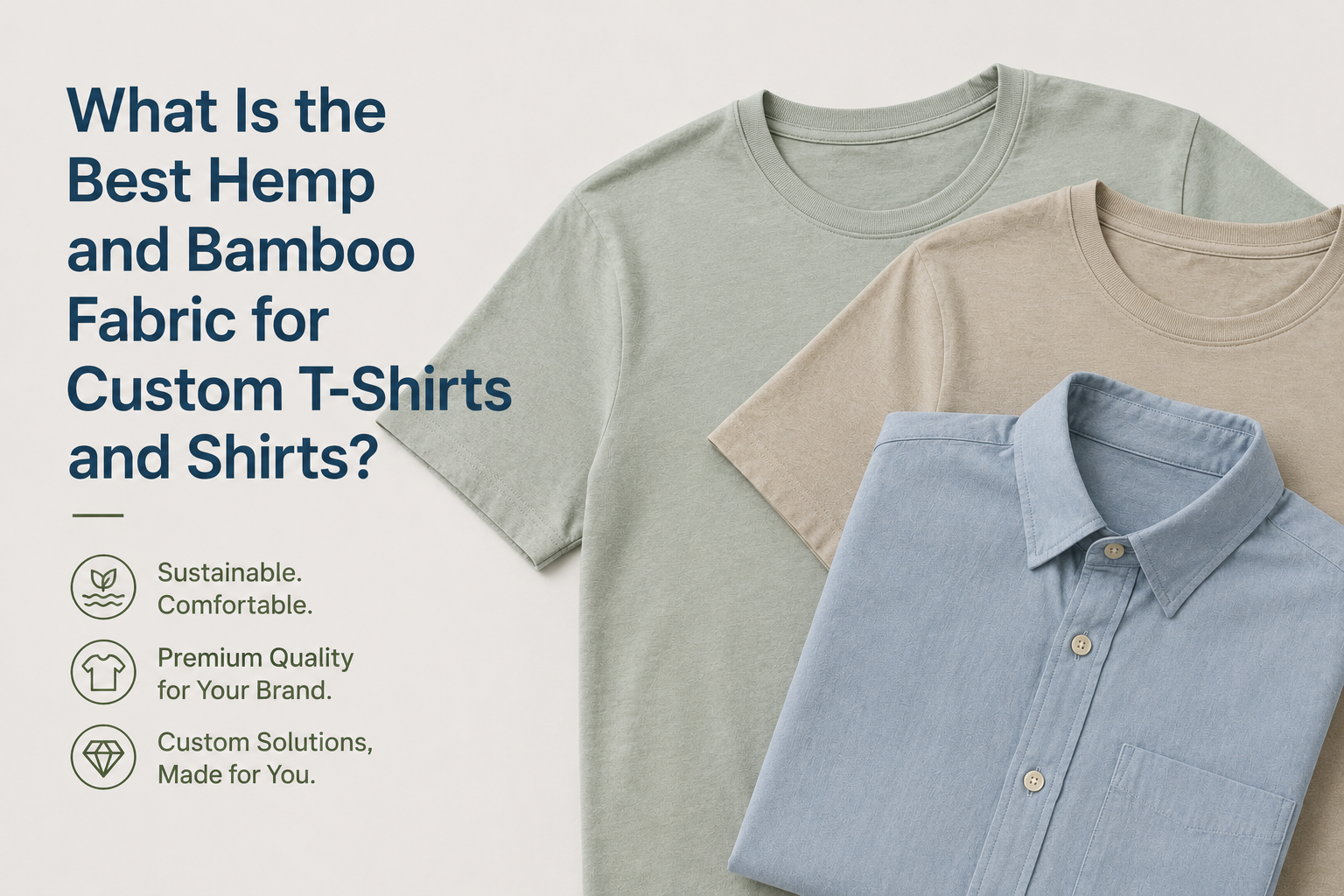
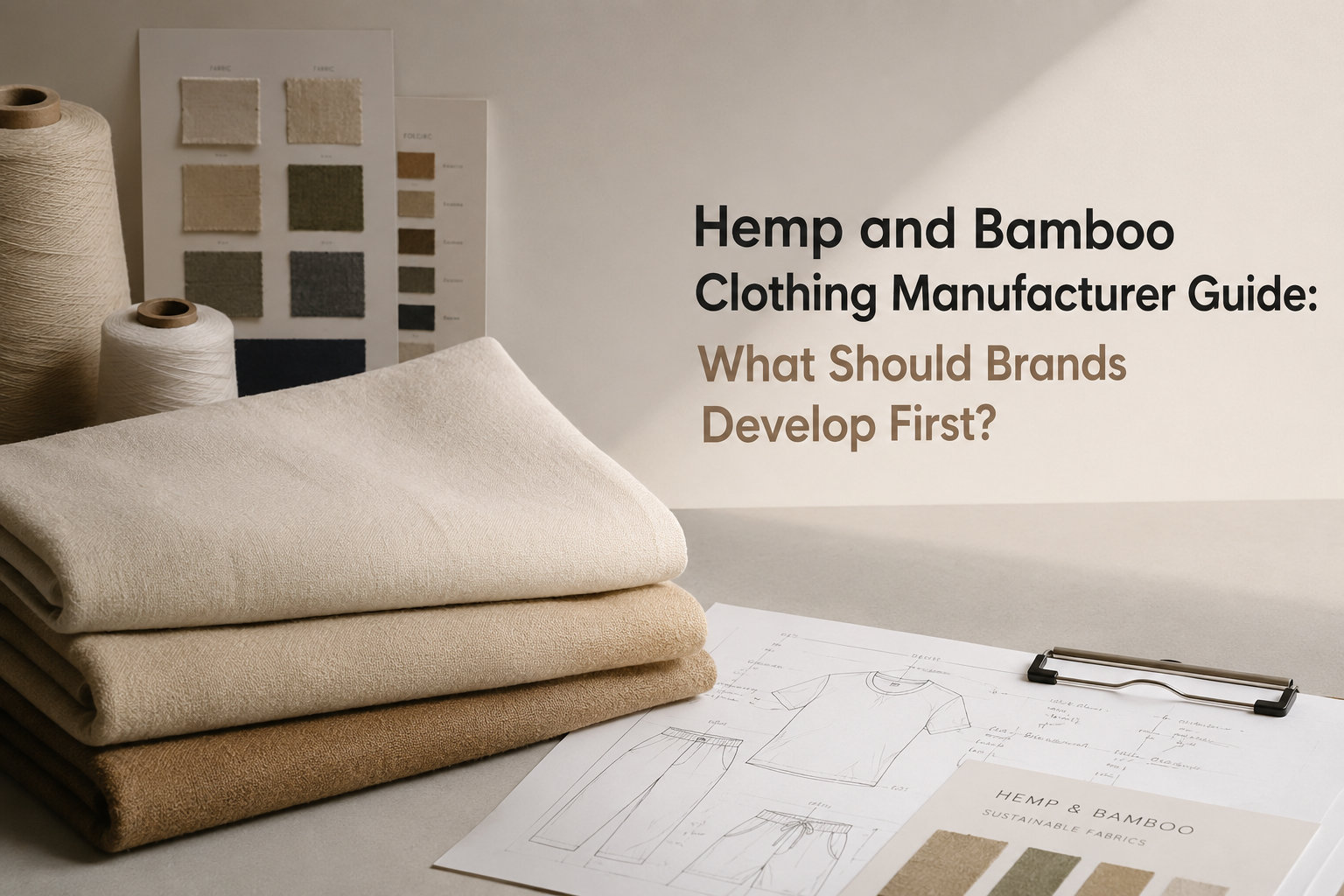
I hear this question all the time—from brand owners and buyers alike. Hemp clothing looks great on paper, but the price often causes hesitation.
As someone who works directly with hemp fabrics, I want to explain this honestly—without sales talk, just real reasons.
Hemp clothing is more expensive due to limited raw material supply, complex fiber processing, and smaller production scale compared to cotton. However, hemp offers higher durability and sustainability, which can reduce long-term costs for brands focused on quality.
To understand the price, we need to look at how hemp fabric is made and what happens before it ever reaches the sewing line.
Why does hemp fabric cost more than cotton?
At first glance, hemp and cotton look similar. But behind the scenes, they follow very different paths.
Hemp fabric costs more because hemp fibers require more processing, specialized machinery, and a less developed global supply chain compared to cotton.
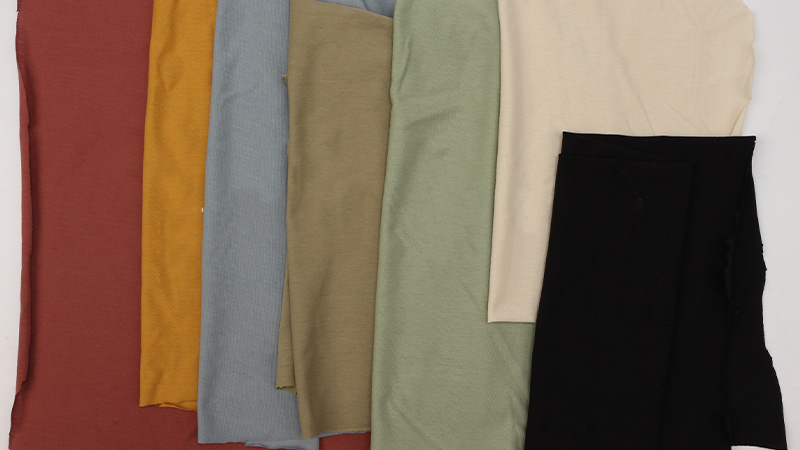
Cotton has been industrialized for decades. Hemp, on the other hand, is still rebuilding its supply chain in many regions.
From farming to spinning, hemp fibers demand extra care. The retting process, fiber separation, and yarn spinning all take more time. Fewer mills can handle hemp properly, which limits volume and increases cost.
This is why many brands choose hemp blends rather than 100% hemp. Blending helps control cost while keeping durability.
If you’re curious about responsible sourcing, you can explore sustainable clothing production.
How is hemp fabric actually made?
Many buyers never see this part—but it explains everything about price and performance.
Hemp fabric is made through harvesting, retting, fiber extraction, spinning, and fabric formation. Each step requires more time and skill than conventional cotton processing.
Here’s a simplified overview:
- Hemp plants are harvested
- Fibers are loosened through retting
- Fibers are separated and cleaned
- Yarn is spun carefully to avoid breakage
- Fabric is knitted or woven
Each step introduces cost—but also strength. Hemp fabric lasts longer, resists wear, and improves with washing.
Is hemp clothing worth the higher price?
This is the question that really matters for brand owners.
Hemp clothing is worth the cost for brands focused on sustainability, durability, and long-term value, especially when positioned as premium or eco-conscious apparel.
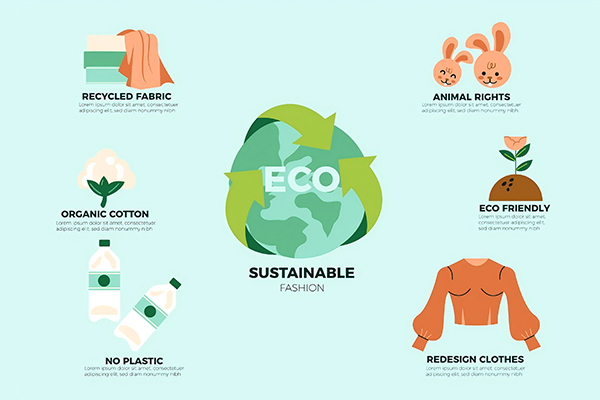
Hemp clothing isn’t for every brand. But for the right brand, it makes sense.
I’ve seen hemp garments outlast cotton ones by years. Fewer returns. Better reviews. Stronger brand stories.
Here’s a quick comparison:
| Factor | Hemp Clothing | Cotton Clothing |
|---|---|---|
| Lifespan | Long | Medium |
| Water use | Low | High |
| Perceived value | High | Medium |
For B2B buyers, hemp can justify higher wholesale pricing when paired with good storytelling and quality control.
Why many brands choose hemp blends instead?
Pure hemp is powerful—but blending often makes more sense.
Hemp blends reduce cost, improve softness, and make production more stable while keeping sustainability benefits.
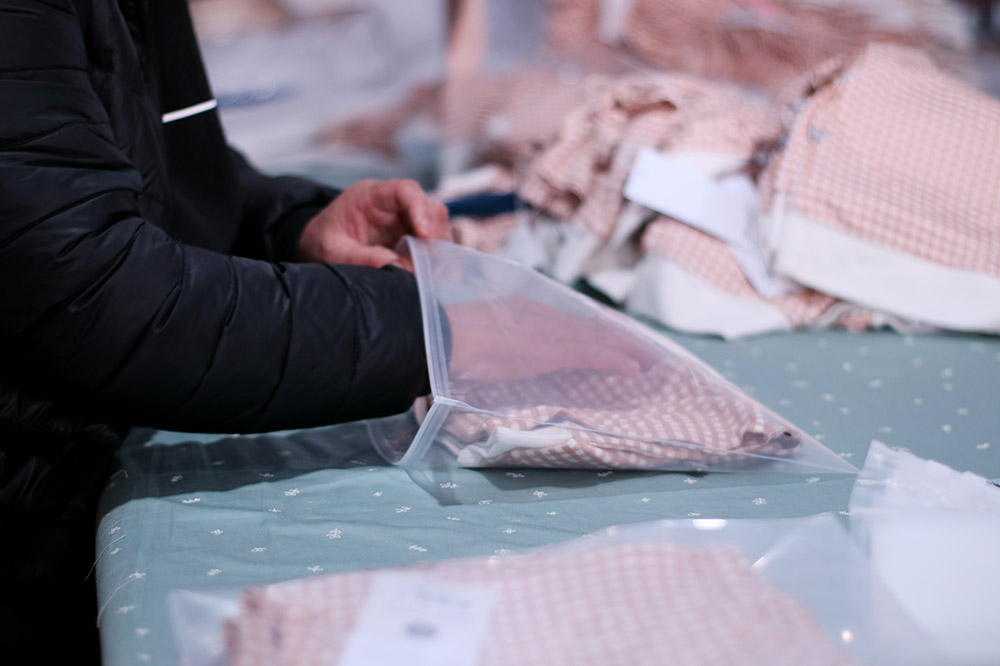
Blends like hemp-cotton or hemp-bamboo offer flexibility. They’re easier to produce, easier to sell, and easier for customers to wear.
As a manufacturer, I usually recommend blends for first-time hemp projects. They lower risk without losing the core value of the fabric.
You can learn more about blended options from a hemp clothing manufacturer.
Conclusion
Hemp clothing costs more because it’s built differently—from farm to fabric. For brands that value durability and sustainability, that cost often turns into long-term value.
If you’re exploring hemp for your next collection, I’m happy to share what works—and what doesn’t.