Choosing the right OEM clothing manufacturer sometimes feels like dating in the dark—you think you’ve found “the one,” and then the samples arrive and… well, the dream dies a little. I’ve seen brands struggle with inconsistent quality, unclear communication, and fabric choices that never match their values. In this guide, I’ll walk you through how to spot a reliable partner who truly supports your brand.
Looking for a reliable OEM clothing manufacturer for your brand? Focus on product expertise, sustainable fabrics, certifications, sample quality, and clear communication to make the right choice.
Let’s go step-by-step and break down what really matters—especially if your brand cares about natural fabrics like hemp, bamboo, and organic cotton.
1. What type of OEM clothing manufacturer does your brand need?
Every brand has its own personality. Some chase luxury. Some love sustainability. Others focus on basics that never go out of style. Before you talk to any factory, you need to know who you are—and what type of OEM partner actually fits that identity.
Choose an OEM manufacturer based on your brand’s identity, product category, and fabric direction. Factories often specialize, so match your needs to their strengths.

I’ve learned over the years that not all OEM factories are created equal. Some are amazing with woven jackets but struggle with soft knit T-shirts. Others can handle delicate sustainable fabrics beautifully but fall apart when asked to do heavy sportswear.
This is why I always tell clients: don’t choose a factory just because they look big—choose them because they understand your product.
Know your category
Think about what you’re planning to launch.
If you’re making:
- T-shirts and hoodies, you need a knit specialist.
- Sleepwear or loungewear, you need a team that understands softness, breathability, and comfort.
- Eco-lifestyle brands, you should lean toward a hemp clothing manufacturer or a factory with strong experience in bamboo and hemp blends.
And yes—this matters more than people think.
Why fabric specialization matters
Natural fibers behave like real people—they have moods. Hemp shrinks differently from organic cotton. Bamboo drapes softly but can twist if not handled well.
If your brand wants a clean, eco-friendly identity, then working with a specialized hemp clothing manufacturer or factories experienced with hemp cotton blend fabric gives you a big advantage.
For example:
- Hemp + cotton blends deliver structure with softness.
- Bamboo and hemp blends offer breathability for summer collections.
- Pure hemp needs careful pre-washing to avoid color inconsistency.
Simple reference table
| Fabric Type | Best Use Case |
|---|---|
| Hemp Cotton Blend | T-shirts, hoodies |
| Bamboo and Hemp | Pajamas, loungewear |
| Organic Cotton | Everyday basics |
If your brand leans toward nature-inspired clothing, choose a partner that understands these technical differences. Your final product depends on it.
2. What fabrics and sustainability standards should you look for?
More brands today care about traceability, clean materials, and certifications. And honestly, I love seeing this shift. But sustainable fabrics come with extra rules, and not every OEM factory knows how to handle them.
Choose factories with experience in sustainable fabrics and certifications like GOTS, OEKO-TEX, and BSCI. This ensures quality, safety, and fabric consistency.
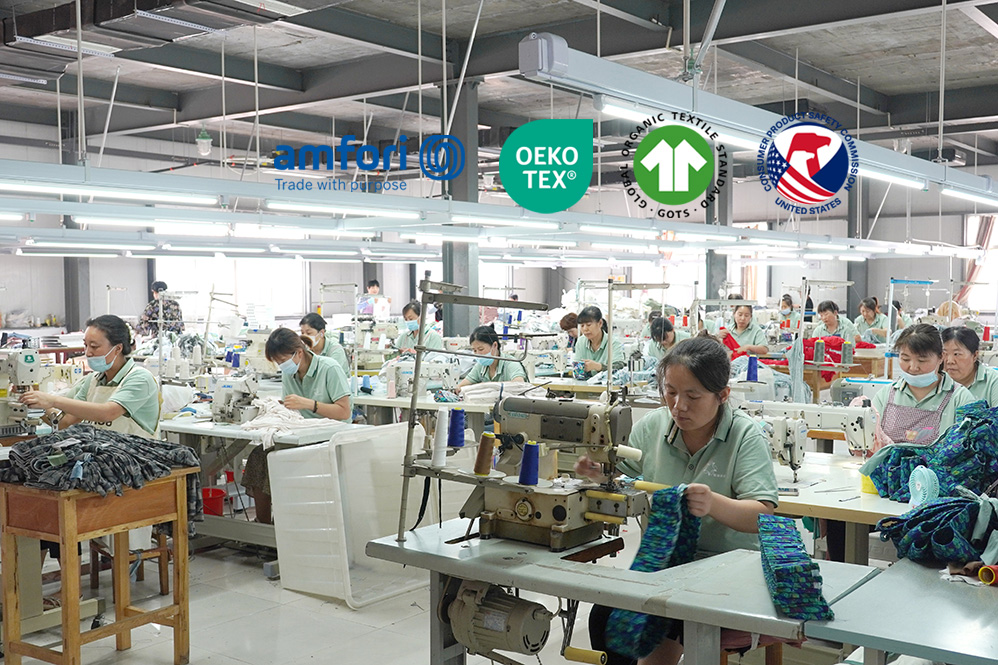
Whenever I meet brand purchasers from Europe or North America, they always ask the same question: “Do you have certifications?” And it makes total sense. When you’re building a brand, you want your fabrics to be clean, safe, and sourced with integrity.
Why certifications matter
The three big ones you’ll hear are:
- GOTS – covers organic content, chemicals, dyes, and processing
- OEKO-TEX – safety for skin contact
- BSCI – audits for factory ethical compliance
A factory’s willingness to show these documents says a lot. If they hesitate or avoid questions, that’s a red flag. Some suppliers even falsify certificates—yes, it still happens—which is why you should always check dates and registration numbers.
Sustainable fabric know-how
If your brand uses natural fibers like hemp, bamboo, or organic cotton, then your factory must understand:
- color fastness differences
- shrinkage behavior
- fabric weight stability
- softness-enhancing finishes
A factory that works with bamboo and hemp materials will already know how to avoid common issues like uneven dye absorption and twisting after wash.
Example: a pajama startup
A brand once came to me asking how to start a pajama company.
They wanted bamboo pajamas because they’re soft and breathable. But the first factory they tried didn’t control shrinkage properly, so samples lost almost 10% length after washing.
With the right partner——we, their shrinkage dropped to under 3%.
That small difference saved their entire launch.
3. How do you evaluate production experience and sample quality?
A factory can tell you beautiful stories, but samples never lie. Good samples mean good bulk. Bad samples… well, you already know.
Check the factory’s sample quality, stitching, fabric handling, and technical understanding to judge if they can produce your line reliably.
I’ve seen so many brands choose a manufacturer based on photos, then regret it once the first sample arrives. Samples reveal everything—skills, equipment, patience, and fabric knowledge.
What to check in your samples
- Stitching density (tight, even)
- Seam strength
- Wash performance (especially for hemp or bamboo blends)
- Color consistency
- Fit accuracy based on your size chart
Samples are not “just samples.” They are a preview of your next 10,000 pieces.
Technical experience matters
A good OEM partner should:
- provide a clear tech pack
- understand fabric stretch
- know how hemp reacts to water
- test shrinkage
- predict potential issues before bulk production
Factories that work with hemp cotton blend, bamboo, or organic materials usually have extra testing steps, because natural fibers are more sensitive.
4. What about MOQ, lead time, and scaling capacity?
Even a perfect factory can hurt your launch if their timelines don’t match your calendar. This is especially painful when you miss a selling season.
Confirm MOQ, sampling time, production time, and capacity before choosing a manufacturer, especially for natural fabrics with higher processing needs.

MOQ (minimum order quantity) affects everything. And trust me, it’s not just a number—it tells you a lot about how a factory works.
Small vs. large factories
Large factories:
- Good for big brands
- High MOQ
- Faster output
- Less flexible
Medium-sized OEM specialists:
- More flexible
- Ideal for startups
- Better for custom fabrics
- Great for sustainable materials
If you want bamboo and hemp blends or hemp cotton blend fabrics, the costs and risks are higher, so MOQ might also be higher.
Lead time considerations
Typical timeline looks like:
- Samples: 7–15 days
- Fabric sourcing: 7-15 days
- Production: 50–90 days
But if you’re using natural fibers, add extra days for testing and fabric stabilization.
Scaling capacity
One mistake many startups make is choosing a factory that cannot grow with them.
You don’t want to switch manufacturers every season—it destroys consistency.
Choose someone who can handle your growth curve.
5. How transparent is the factory’s communication and quality control?
Communication sounds simple, but poor communication has destroyed more collections than bad fabrics ever did. A great OEM partner replies clearly, quickly, and with useful details.
Choose factories that offer clear updates, QC reports, technical explanations, and responsive communication throughout production.
Let me say something honestly:
A factory that struggles with communication will also struggle with production.
What good communication looks like
- They explain fabric choices
- They send clear tech packs
- They share stitching photos
- They flag potential issues before they happen
- They give real timelines, not “don’t worry, friend”
If a supplier can compare hemp vs bamboo, discuss colorfastness, or explain shrinkage control—this is a good sign.
QC (Quality Control) transparency
A professional manufacturer provides:
- Pre-production sample
- Inline inspection
- Final inspection
- Wash test results
- Size measurements report
A specialized hemp clothing manufacturer usually has these processes standard, because natural fibers need extra attention.
6. Does the OEM factory support long-term brand growth?
A great partnership isn’t a one-season thing. Your manufacturer should grow with you—especially if you plan to expand from basics to more styles.
Pick a manufacturer with long-term capacity, sustainable fabric expertise, and flexibility to support new styles as your brand grows.
Think long-term.
Many brands start with one T-shirt. Some start with pajamas. Some with hoodies. But as your brand grows, your audience will expect more. More colors, more fabrics, more styles.
Why long-term support matters
If your OEM factory:
- knows your fit
- understands your fabrics
- keeps your records
- handles your reorders
- manages seasonal planning
…your business becomes smoother every year.
For pajama or loungewear startups
This ties perfectly back to how to start a pajama company.
You may begin with one design, one fabric, one color.
But soon you’ll want:
- long sleeve sets
- bamboo and hemp blends
- family collections
- seasonal prints
The right factory makes this easy.
The wrong one slows everything down.
Deep Dive: Why sustainable clothing brands need specialized OEM manufacturers
Let’s look under the hood for a moment. If your brand focuses on eco-friendly clothing, choosing a random factory is risky because sustainable fabrics require expert handling.
Natural fiber challenges
- Hemp is strong but difficult to dye evenly
- Bamboo drapes beautifully but shrinks if washed incorrectly
- Hemp cotton blend requires careful pre-shrinking
- Colorfastness varies between batches
- Eco-friendly dyes behave differently from standard dyes
Common issues if you choose the wrong factory
- Twisting seams
- Uneven color
- High shrinkage
- Rough handfeel
- Weak stitches
- Slow production
Where specialized OEM manufacturers shine
Factories familiar with bamboo and hemp or hemp cotton blends already know the typical problems and how to prevent them.
They test fabrics.
They stabilize shrinkage.
They optimize stitching techniques for natural fibers.
They store fabrics properly to avoid moisture damage.
This is why experienced OEM factories are worth it—they protect your brand’s reputation before your product even reaches a customer’s hands.
Conclusion
Choosing the right OEM clothing manufacturer shapes your entire brand. Look for fabric expertise, sustainability knowledge, clear communication, solid QC, and long-term capacity. When you partner with the right factory, everything—from samples to scaling—becomes easier, smoother, and more reliable.