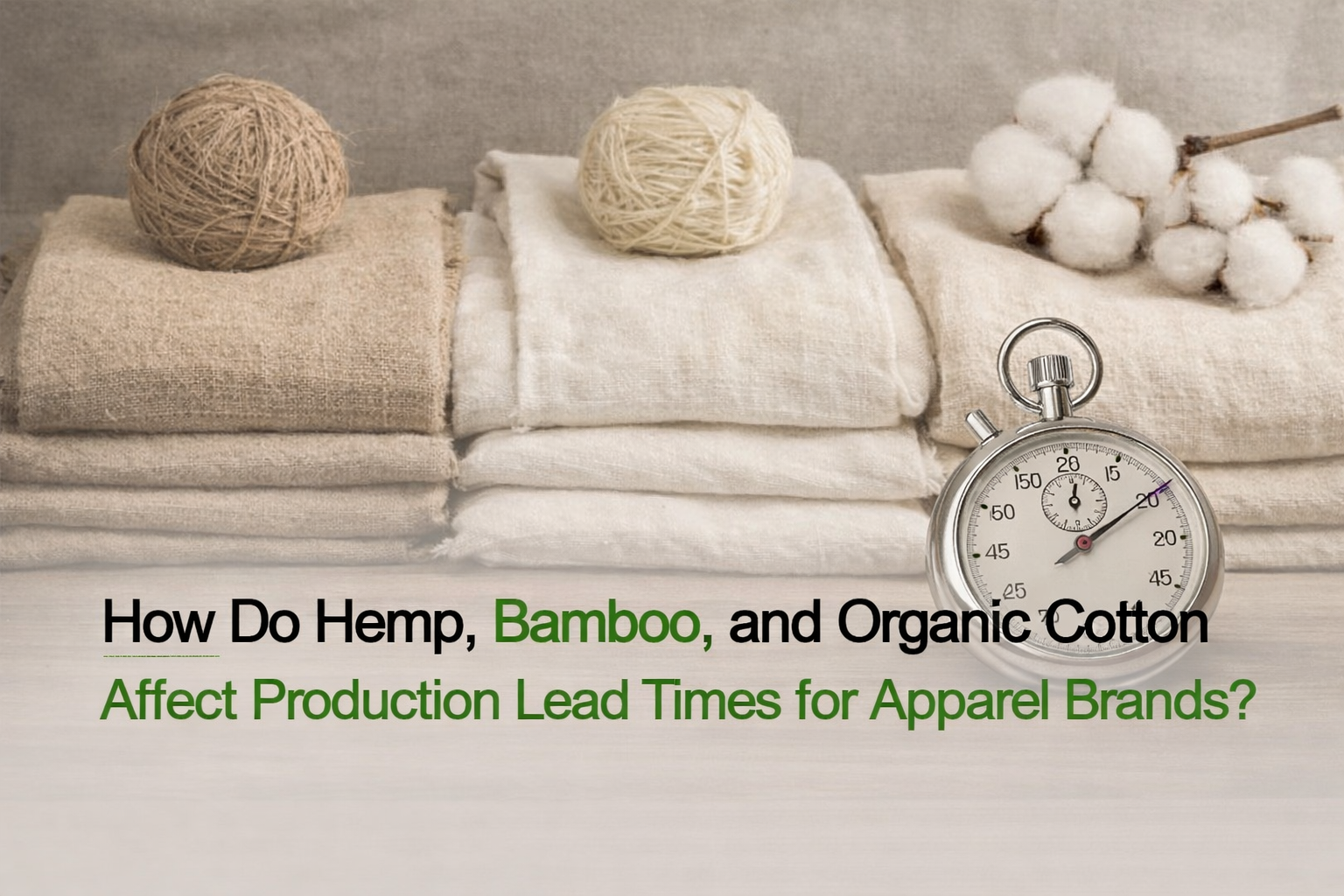
If you’re building a sustainable apparel brand in 2026, chances are you’ve faced this question: should you use organic cotton or hemp?
On paper, both look responsible. Both are natural fibers. Both are marketed as eco-friendly. But when production, cost, durability, and brand positioning enter the picture, the comparison becomes more complex.
Organic cotton and hemp clothing are both sustainable options, but they differ in water use, durability, softness, cost, and long-term performance. Organic cotton is softer and easier to scale, while hemp is more durable and requires fewer agricultural inputs. The best choice depends on your brand positioning and product category.
Let’s break it down step by step—without marketing exaggeration.
What makes organic cotton sustainable?
Organic cotton is often the starting point for many sustainable brands.
Organic cotton is considered sustainable because it avoids synthetic pesticides, reduces soil damage, and supports safer farming conditions compared to conventional cotton.
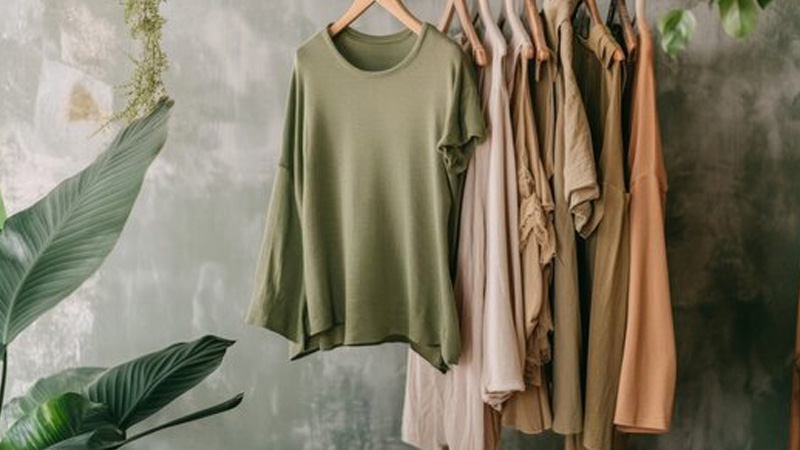
From a manufacturing perspective, organic cotton is easier to integrate into existing production systems. It behaves similarly to conventional cotton but with cleaner sourcing standards.
Key advantages:
- Soft and familiar hand feel
- Strong consumer acceptance
- Easier scalability
- Stable supply chain
However, organic cotton still requires significant water during farming. It is better than conventional cotton, but not impact-free.
For brands focused on comfort and accessibility, organic cotton is often a practical first step into sustainability.
Why is hemp often described as more environmentally efficient?
Hemp has gained attention for its low agricultural impact.
Hemp requires less water and fewer pesticides than cotton and produces durable fibers, making it highly efficient from a farming perspective.
Hemp grows quickly and naturally resists many pests. From a sustainability viewpoint, that’s powerful.
But hemp processing is more complex, and fabric costs can be slightly higher. Many brands balance this by using hemp blends.
In long-term durability tests, hemp garments often last longer than cotton-based ones. That extended lifespan plays a real role in sustainability.
If you’re also considering bamboo as an option, explore our full comparison on Hemp vs Bamboo Clothing.
How do organic cotton and hemp compare in durability and feel?
Here’s where many brands hesitate.
Organic cotton offers softness and familiarity, while hemp provides strength and durability. Blends are commonly used to balance comfort and performance.
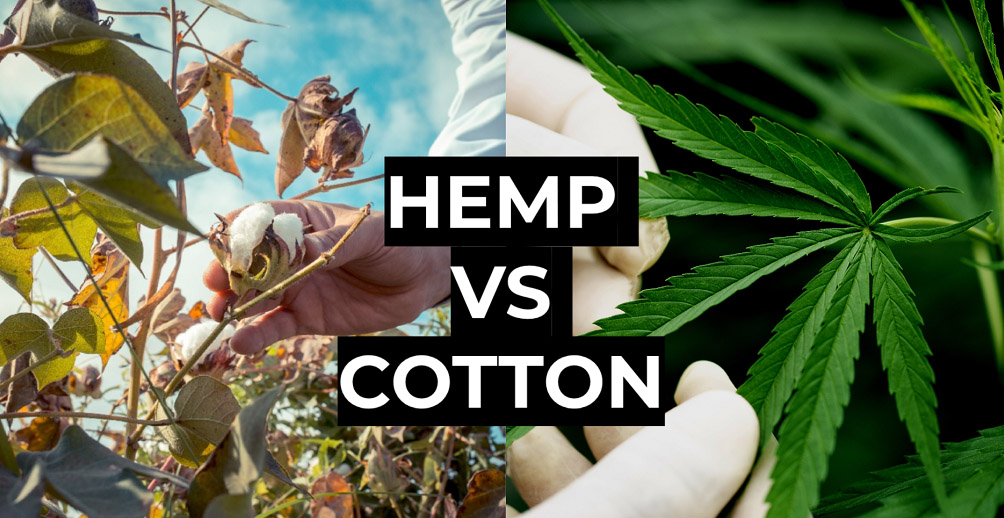
Let’s compare clearly:
| Factor | Organic Cotton | Hemp |
|---|---|---|
| Softness | High | Medium (improves over time) |
| Durability | Medium | High |
| Cost | Medium | Medium–High |
| Farming impact | Moderate | Low |
In my experience working with brands in North America and Europe, comfort often drives first purchases, but durability drives repeat purchases.
The smartest brands consider both.
Which is better for sustainable apparel brands in 2026?
There isn’t a universal winner.
Organic cotton works well for comfort-driven collections and scalable production, while hemp suits durability-focused and eco-conscious premium positioning.
Brands entering sustainability for the first time often start with organic cotton. Brands wanting stronger differentiation may explore hemp or hemp blends.
The real key is alignment:
- Target price level
- Customer expectations
- Product category
- Long-term production stability
Sustainability is not about choosing the “greenest” fiber—it’s about building a responsible system that works at scale.
Material selection is only the first step. Choosing the right clothing manufacturer determines how well your sustainability strategy performs in reality.
Conclusion
Organic cotton and hemp clothing both offer sustainable value. Organic cotton provides comfort and accessibility. Hemp delivers durability and lower farming impact. The right choice depends on your brand’s goals and long-term strategy.