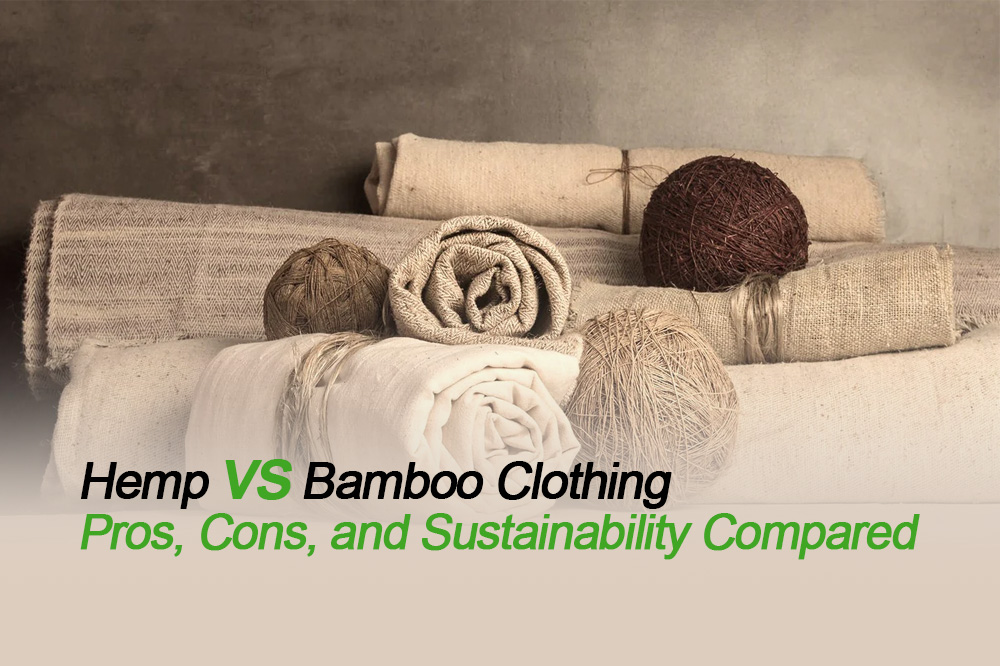
I get this question more often than you might expect. Brand owners, designers, even students ask me: “If I want to build a sustainable clothing line, should I choose hemp or bamboo?”
At first glance, both sound green. Both feel natural. Both are marketed as eco-friendly. But once you start producing garments at scale, the differences become clearer.
Hemp and bamboo clothing are both considered sustainable, but they differ in durability, softness, processing methods, cost, and long-term performance. Hemp is stronger and more durable, while bamboo is softer and smoother. The better choice depends on brand positioning, price level, and product category.
Let’s slow down and compare them properly—not from marketing brochures, but from real production experience.
What makes hemp clothing sustainable?
Hemp is often described as one of the most environmentally friendly textile fibers available today. But what does that really mean?
Hemp clothing is considered sustainable because hemp plants require less water, fewer pesticides, and produce strong fibers that last longer than many conventional fabrics.
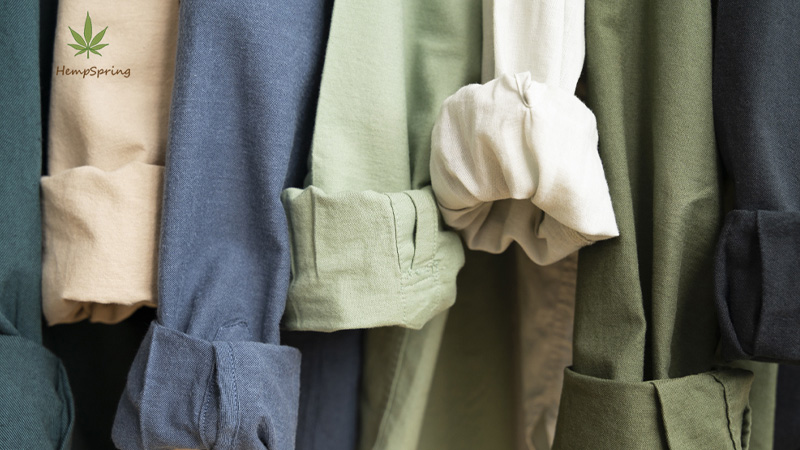
When I first started working with hemp blends, I noticed something simple: the fabric was tough. Not rough, but strong. It holds structure well and resists wear.
From a production perspective, hemp offers:
- Lower water consumption during farming
- Minimal pesticide requirements
- High fiber durability
- Long garment lifespan
Durability matters more than people think. If a T-shirt lasts two years instead of one, that reduces replacement frequency. In real sustainability terms, longevity is powerful.
However, hemp is not perfect.
Pure hemp can feel slightly stiff compared to cotton or bamboo. That’s why many brands choose hemp blends. Blending improves softness while keeping strength.
If you are building a performance-focused or long-lasting basics line, hemp is often a strong candidate.
Why is bamboo clothing known for softness?
Bamboo clothing is loved for how it feels. Many first-time buyers say the same thing: “It’s so smooth.”
Bamboo clothing is valued for its softness, moisture-wicking properties, and comfortable drape, making it popular for loungewear and lightweight apparel.
In manufacturing, bamboo fabric—especially bamboo viscose—produces garments that feel cool and silky.
Common advantages include:
- Very soft hand feel
- Good breathability
- Natural drape
- Comfort for sensitive skin
But here’s something many brands overlook.
Bamboo processing often involves chemical treatments to convert bamboo pulp into fiber. The sustainability of bamboo depends heavily on how responsibly that process is managed.
So while bamboo feels luxurious, brands must evaluate suppliers carefully and understand how the fabric is produced.
If your target market values comfort and smooth texture above all else, bamboo can be a strong choice.
How do hemp and bamboo compare in durability and cost?
This is where many brand decisions are made.
Hemp fabric is generally more durable and slightly more expensive than bamboo, while bamboo offers lower upfront cost and greater softness.
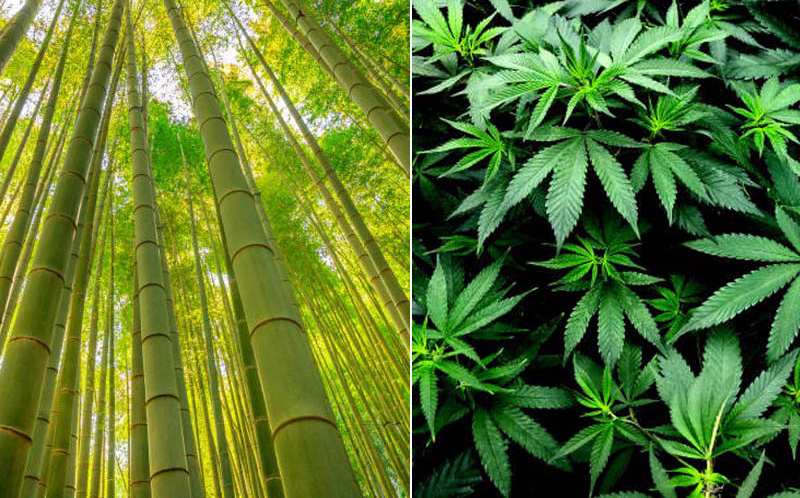
Let’s compare them clearly:
| Factor | Hemp Clothing | Bamboo Clothing |
|---|---|---|
| Durability | Very high | Medium |
| Softness | Medium (improves with washing) | Very high |
| Price | Medium–High | Medium |
| Structure | Strong | Soft & flowing |
| Best For | Long-lasting basics | Loungewear & comfortwear |
From a factory perspective, hemp garments usually handle repeated washing better. Bamboo garments win on immediate comfort.
Cost-wise, hemp can be slightly higher due to supply limitations and processing complexity. Bamboo, especially viscose types, can be more scalable.
The real decision often depends on:
- Your target price point
- Your brand story
- Your product category
Which is better for sustainable apparel brands?
There isn’t a universal answer—and that’s the honest truth.
Hemp is better for durability-focused sustainable brands, while bamboo suits comfort-driven collections. Many brands choose blends to balance performance and cost.
In my experience working with brands exporting to North America and Europe, I’ve seen three common approaches:
- Use hemp for structured items like tees and outer layers.
- Use bamboo for lounge and relaxed fits.
- Blend fibers for balanced performance.
Some of the most successful collections combine materials instead of choosing only one.
And here’s something practical: your manufacturing partner matters just as much as your fiber choice.
A well-managed production process reduces waste, ensures quality stability, and protects your launch timeline. Sustainable materials without stable production do not create sustainable business.
If you’re also comparing cotton alternatives, you may want to read our detailed guide on Organic Cotton vs Hemp Clothing.
After choosing the right material, the next step is selecting one of the best clothing manufacturers to ensure stable and responsible production.
When you’re selecting a factory, choosing a reliable clothing manufacturer is just as critical as choosing the right fabric.
Conclusion
Hemp and bamboo clothing both offer sustainable advantages. Hemp delivers durability and strength. Bamboo offers softness and comfort. The better choice depends on your brand goals, customer expectations, and production strategy.