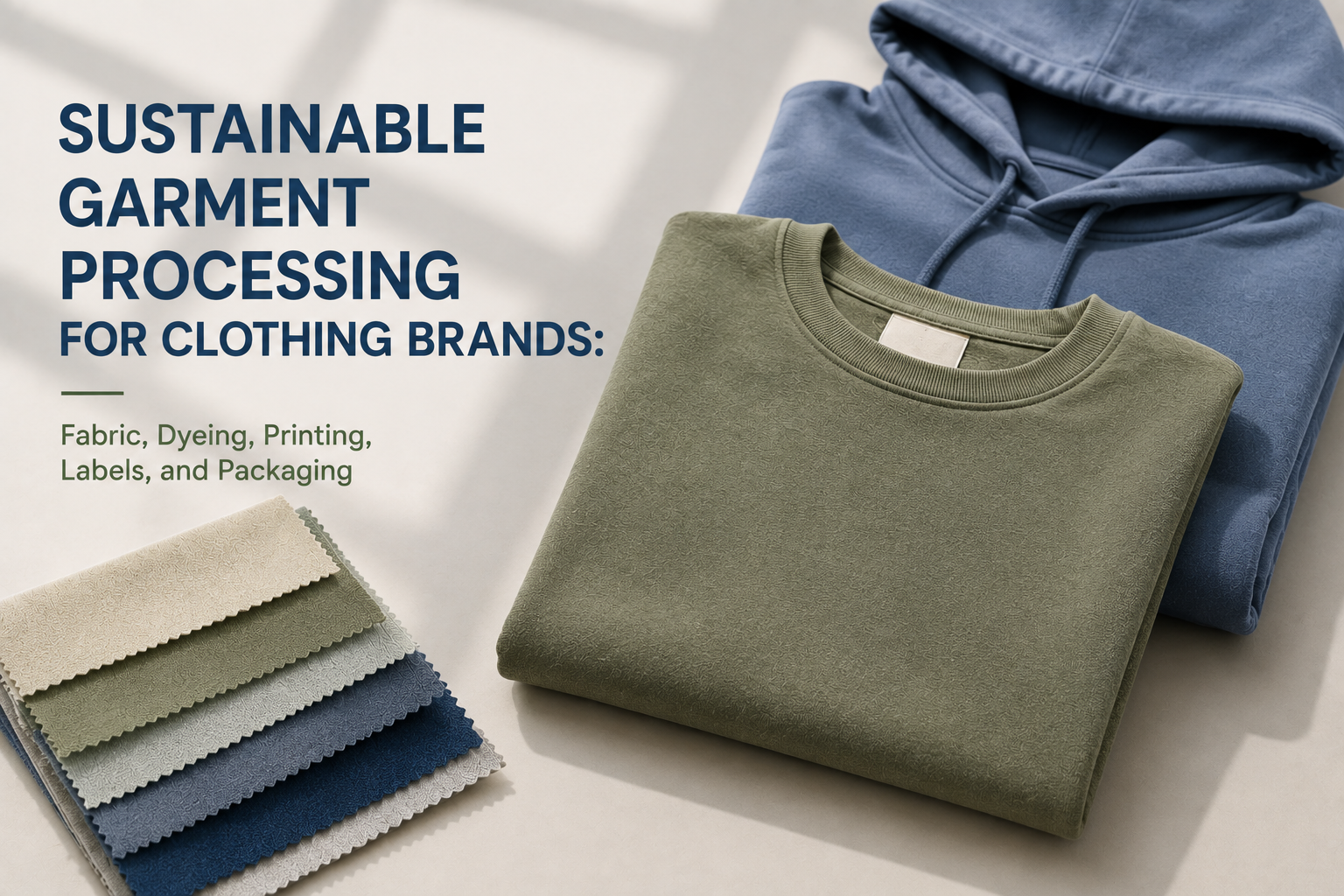
2026 is a good time to start a sustainable loungewear brand, but the brands that move well are usually the ones with a clear product plan, realistic fabric choices, and a manufacturer strategy from the beginning. Good taste helps, but good planning matters more when you need samples, labels, packaging, and production to come together on time.
To start a sustainable loungewear brand in 2026, begin with a small product range, choose fabrics that fit your category and price level, prepare clear product references, test samples carefully, and work with a manufacturer that can support fabric sourcing, labels, packaging, and production planning. For most startup brands, the safest path is not launching too many SKUs at once. It is building a focused capsule collection, confirming fit and materials early, and growing after the first round of market feedback.
This guide covers product planning, fabric choice, sampling, MOQ, labels, packaging, and how to work with a manufacturer when building a sustainable loungewear brand.
What Products Should a New Loungewear Brand Start With?
Short answer: most new loungewear brands should start with a small capsule collection, not a large product list.
One of the most common mistakes I see is trying to launch too many styles in the first round. More SKUs may look exciting, but they also create more sample costs, more fit problems, more color decisions, and more production risk.
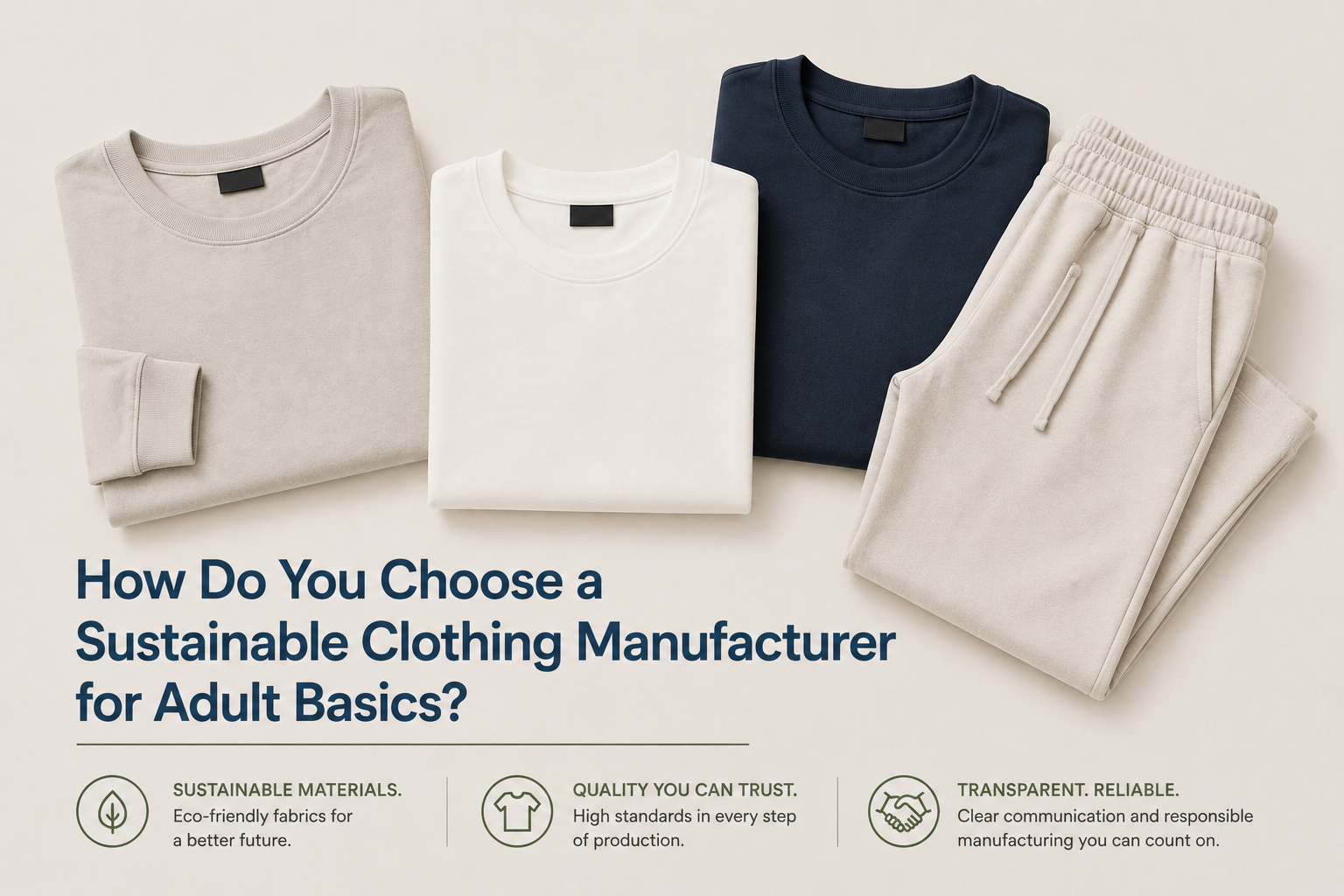
For a new brand, it is usually better to start with a small and clear product mix such as:
- oversized T-shirts
- long sleeve tops
- pajama tops and bottoms
- lounge pants
- hoodies
- crewneck sweatshirts
- joggers
- soft tank tops
This kind of capsule collection is easier to sample, photograph, test, and reorder. It also makes your first launch easier to explain to buyers, followers, or distributors.
If a founder is also thinking about sleepwear, it makes sense to look at how to start a pajama business before expanding the range too quickly.
From a manufacturer’s point of view, a smaller opening collection gives you more control over fit, fabric behavior, and branding details. That matters a lot in loungewear, because customers often judge these products by comfort, feel, and repeat wear, not only by appearance.
Which Sustainable Fabrics Work Best for Loungewear?
Short answer: the best fabric depends on the product type, target price, and desired hand feel.
This is where many new founders get stuck. They want “sustainable fabric,” but that phrase is still too broad. Loungewear needs soft touch, stable fit, and comfortable wear, so fabric choice should match the product.
Here is a practical way to think about it:
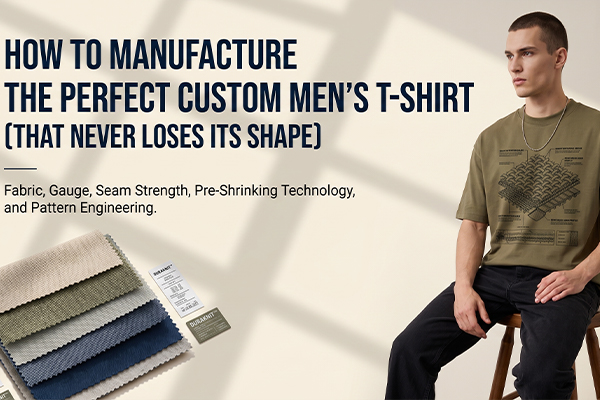
For T-shirts
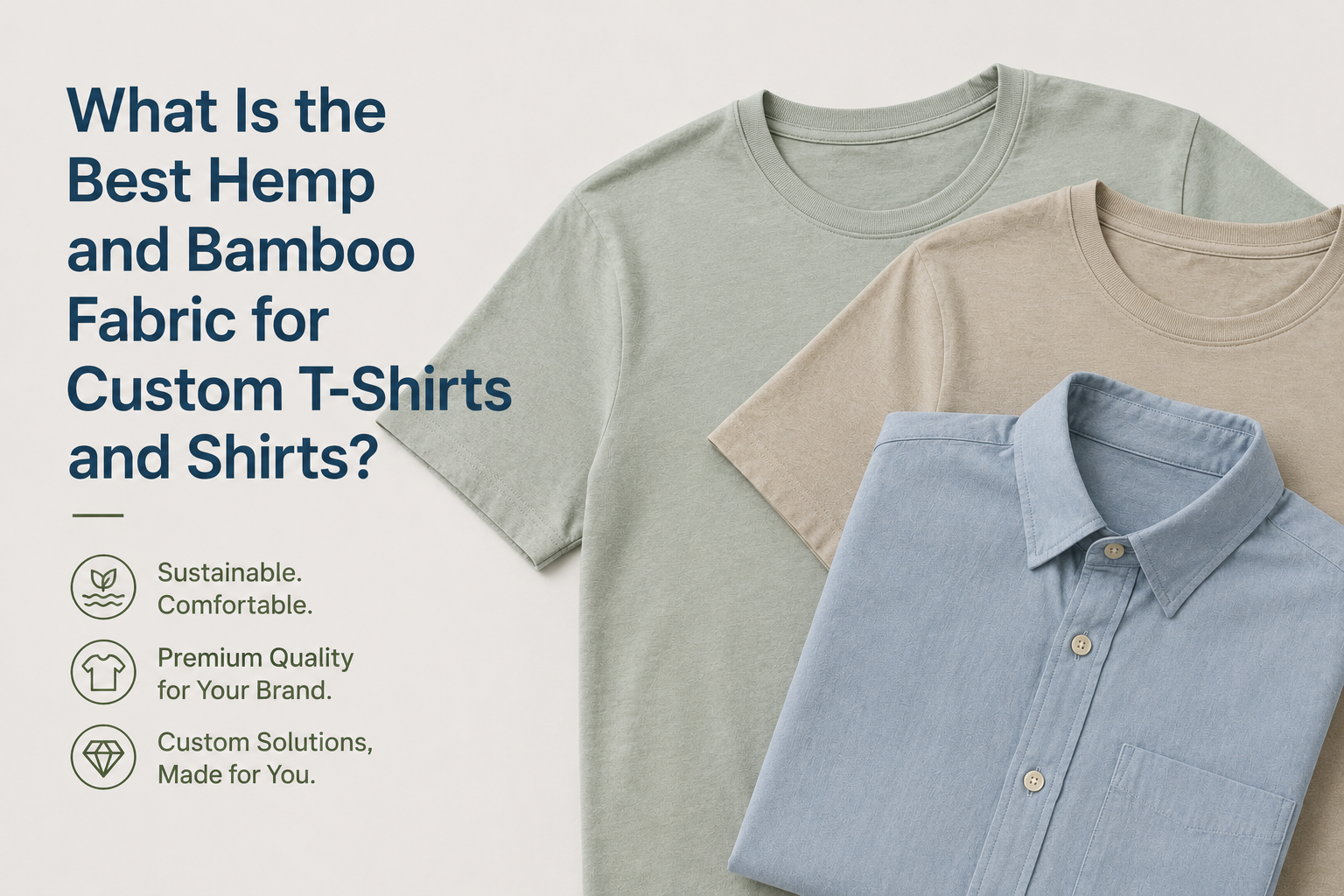
- organic cotton jersey
- hemp cotton jersey
- bamboo cotton jersey
These are usually good starting points for soft everyday basics. If you are comparing plant-based options, see organic cotton vs hemp clothing.
For sweatshirts and hoodies
- French terry
- brushed fleece
French terry is often better for transitional or lighter pieces. Brushed fleece is more suitable when the brand wants extra softness and warmth.
For joggers
- French terry
- fleece
- heavier jersey
Joggers need a little more structure than a thin top, so the fabric must support shape and repeated wear.
For pajama and comfort-focused loungewear
- modal
- bamboo blends
- cotton
- Tencel blends
These options are often chosen because they feel softer, smoother, or more fluid on the body. They can work very well for relaxed tops, lounge pants, or pajama sets when the brand wants a more comfort-led feel.
One more thing founders often miss: fabric choice also affects your timeline. If sourcing is more specific, or if your brand needs a certain GSM, certification, or finish, lead time can become longer. That is why this guide is also useful: hemp, bamboo, and organic cotton production lead times.
How Many Pieces Should a Startup Brand Order First?
Short answer: start smaller than you think, and test before expanding.
In the first order, many founders want too many colors, too many size options, and too many product variations. From a manufacturer’s point of view, that usually increases risk more than it increases opportunity.
A new loungewear brand should first test a small collection before expanding into more colors, prints, fabrics, or silhouettes. The reason is simple: early demand is still uncertain.
Too many variables in the first round can create problems such as:
- higher sample cost
- slower approvals
- more inventory pressure
- harder QC control
- more confusing product photos and launch messaging
A founder should first confirm fabric, fit, size range, logo placement, label style, packaging, and sales channel before placing a larger order.
That does not mean you need to think too small. It means the first order should be manageable. If the first products sell well, the second order becomes much easier to plan.
For most startup brands, a strong first step is not chasing volume. It is proving the product and the brand direction.
What Should You Prepare Before Contacting a Clothing Manufacturer?
Short answer: you do not need a perfect tech pack, but you do need clear references and clear decisions.
A lot of startup founders delay manufacturer outreach because they think they need a fully professional fashion development package first. A full tech pack is very helpful, but it is not always realistic at the early stage.
What you should prepare before contacting a manufacturer is:
- product type
- reference images
- fabric preference
- size range
- color options
- logo files
- label and packaging idea
- target price range
- expected launch date
- order quantity estimate
If you have a full tech pack, great. If not, a good manufacturer can still guide the early sampling stage if the brand has clear references and requirements.
What matters most is not perfect formatting. It is clear communication.
This is also where supplier evaluation becomes important. Before you move too fast with a factory, it helps to read how to check a sustainable clothing manufacturer.
From my side, the strongest startup founders are usually not the ones with the most complicated files. They are the ones who know what they want the product to feel like, who it is for, and what must not go wrong.
How Can Custom Labels and Packaging Make a Loungewear Brand Look More Professional?
Short answer: labels and packaging help a small brand look more complete, more consistent, and more trustworthy.
In loungewear, branding is often quiet. That means small details carry more weight. A simple set can feel much more polished when the labels and packaging are thought through early.
Useful branding options include:
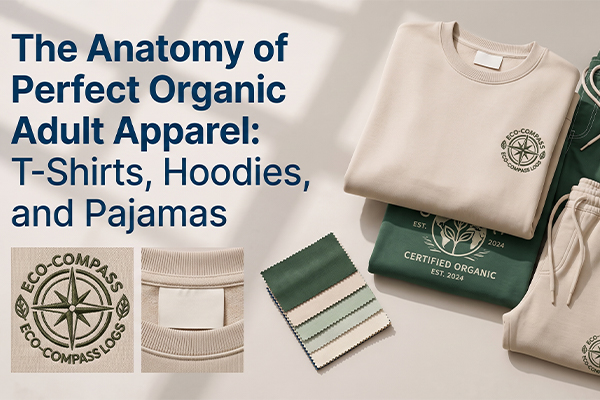
- neck labels
- hem tags
- care labels
- woven labels
- heat transfer labels
- hang tags
- compostable or recycled packaging
- custom polybags or paper packaging
For loungewear, labels should not irritate the skin. This is especially important for soft tops, lounge pants, pajama sets, and body-close basics.
If you are planning label details, this page is helpful: where should labels go in modern apparel.
And if you want a subtle branding detail on a T-shirt or lounge top, this is also useful: where should a hem tag be placed on a T-shirt.
Good packaging does not need to be expensive. It just needs to be aligned with the product and brand level. For many startup brands, clean and simple packaging is a better choice than complicated packaging that slows down production.
How Should Brands Plan Sampling and Production for a 2026 Launch?
Short answer: work backward from your launch date and leave more time than you think you need.
This is a practical development timeline many startup loungewear brands can use:
- product idea
- fabric selection
- first sample
- sample revision
- pre-production sample
- bulk production
- QC
- shipping
- product photography and launch
Sustainable fabrics may require more preparation time, especially if the brand needs a specific certification, color, GSM, or hand feel. A founder may also need more than one sample round to confirm fit and comfort.
That is normal.
A realistic launch plan should include:
- time for fabric discussion
- time for fit correction
- time for branding details
- time for packaging approval
- time for shipping delays
If you are planning around a launch season, this page can help: when should apparel brands place bulk orders for each season.
Too many founders focus only on the first sample date. What matters more is the full chain from idea to delivered goods.
How Can Hempspring Support Sustainable Loungewear Brand Development?
Short answer: Hempspring can support brands that need practical development help, not just garment production.
Hempspring is a B2B custom clothing manufacturer based in China. We support overseas brands that want to build sustainable apparel collections with practical development planning.
That can include:
- sustainable fabric sourcing
- OEM/ODM custom development
- sample support
- low-MOQ discussion
- custom labels and packaging
- T-shirts, hoodies, joggers, sweatshirts, pajama and loungewear products
Our focus is not on very complex fashion garments with many construction layers. We are increasingly focused on adult basic apparel and comfort-led products that brands can scale more clearly.
That means we can be a better fit for overseas brands in the US, Europe, Australia, the Middle East, and South America that want to develop clear, wearable, repeatable basics instead of overly complicated collections.
The goal is simple: help brands move from idea to sample to production with fewer unnecessary mistakes.
Conclusion
Starting a sustainable loungewear brand in 2026 is very possible, but the strongest brands usually begin with a focused product range, the right fabric direction, and a realistic manufacturing plan. If you already have product ideas, reference images, or fabric preferences, feel free to share them. A clear early discussion can make custom loungewear development much easier.